Every trailer Rockstar has released for GTA 6 has sparked the same reaction online: disbelief that footage is running on current-generation hardware. The lighting, reflections, and sheer density of detail in Leonida have set a new bar for what players expect from an open-world title, and much of that comes down to how far the RAGE engine has evolved since Red Dead Redemption 2.
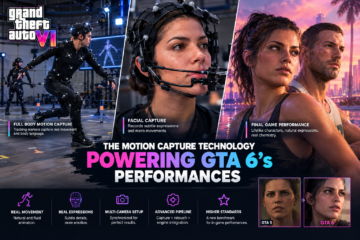
Dynamic lighting is the standout feature. Sunsets over the coastline cast long, realistic shadows across palm trees and neon signage, while rain-soaked streets reflect passing traffic in a way earlier GTA titles could never manage. Character models also show a leap forward, with facial animations that convey subtle emotion during cutscenes rather than the stiffer expressions fans remember from GTA 5.
Crowd density is another area drawing attention. Early gameplay clips show beaches and city blocks packed with NPCs going about believable routines, a far cry from the sparser environments of past Rockstar games. Combined with improved draw distances, the world feels continuous rather than stitched together from loading zones.
None of this comes without cost, though. Running GTA 6 at its full visual potential will likely push PS5 and Xbox Series X hardware close to their limits, and some analysts speculate a performance mode versus a quality mode will be necessary at launch, similar to how other big releases have handled the trade-off between frame rate and fidelity.
For a series that has always prided itself on pushing technical boundaries, GTA 6 appears set to once again reset expectations for the genre. Whether smaller studios can realistically chase that same bar remains an open question, but for now, Rockstar looks positioned to own the conversation around open-world visual fidelity for years to come.



0 Comments